
Fair prices. Fast approvals. Your health always comes first. Get Qualified for a Oklahoma Medical Marijuana Card Today.
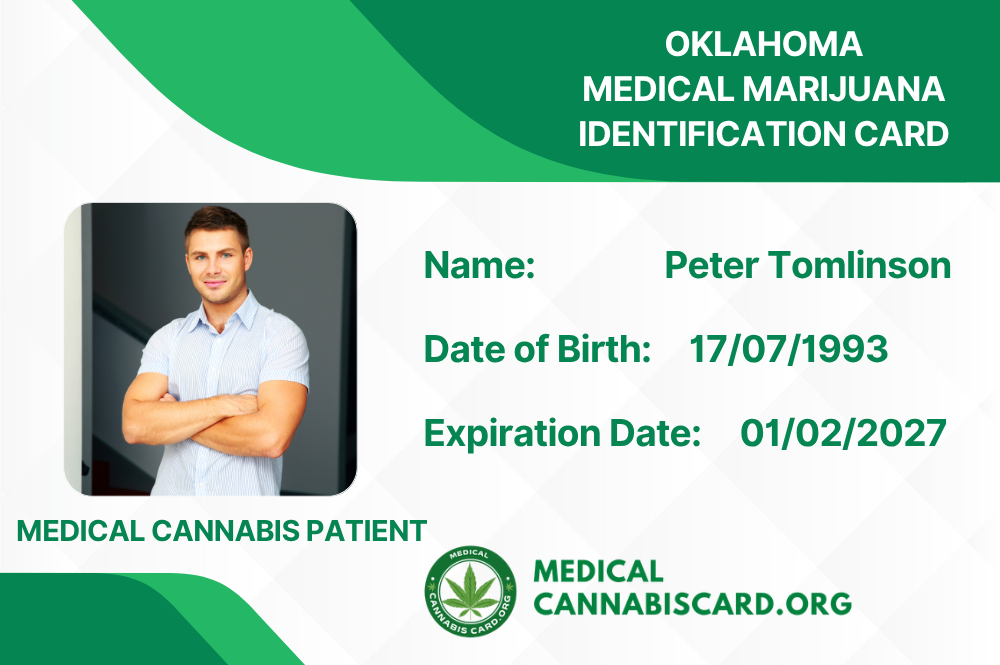
Oklahoma is a land of beautiful contrasts. From the modern glass skyscrapers of Oklahoma City to the historic brick buildings of Guthrie, our state embraces both progress and tradition. As we move through 2026, many residents are looking for natural ways to manage their health while living through our famous weather shifts from sweltering summer heat to sudden spring thunderstorms. If you are one of the many Oklahomans seeking relief, you need to know about the qualifying conditions for Medical Card in Oklahoma 2026. Understanding these requirements is the first step toward accessing medical cannabis in the Sooner State.
In most states, the law lists specific “qualifying conditions” like cancer or epilepsy. If your condition isn’t on that list, you are out of luck. Oklahoma is different. The Oklahoma Medical Marijuana Authority (OMMA) does not maintain a list of specific ailments.
Instead, the law allows a board-certified physician to recommend medical marijuana for any condition they believe would benefit from it. When looking for the qualifying conditions for a Medical Card in Oklahoma 2026, it is important to remember that the “condition” is essentially whatever your doctor deems appropriate.
This patient-centric approach makes Oklahoma’s program one of the most accessible in the country.
While there is no official list, most patients in Oklahoma share similar health goals. Whether you live in a quiet ranch-style home in Edmond or a bustling apartment near the Blue Dome District in Tulsa, your health concerns are valid. Here are the most common reasons residents apply:
Oklahoma has a strong history of hard work, from the oil fields to the cattle ranches. Years of physical labor can take a toll on the body. Many residents use medical cannabis to manage back pain, joint issues, and arthritis.
It is a popular alternative for those who want to avoid or reduce their reliance on heavy pharmaceutical painkillers.
Life in the modern world can be stressful. Even the peaceful views of the Wichita Mountains can’t always cure a busy mind. Many Oklahomans find that specific strains of cannabis help them manage daily anxiety and social stress.
Because Oklahoma doctors have the freedom to recommend cannabis for mental health, many patients find relief they couldn’t find elsewhere.
The extreme Oklahoma weather, like those howling winds that shake the windows of a classic Craftsman bungalow, can make it hard to get a good night’s sleep. Insomnia is a frequent reason for a physician’s recommendation. Patients often report that medical marijuana helps them fall asleep faster and stay asleep longer.
For those undergoing treatments like chemotherapy or dealing with gastrointestinal issues, maintaining a healthy weight is tough. Cannabis has been used for decades to help stimulate appetite and reduce nausea, allowing patients to stay strong during recovery.
The process for getting your card remains streamlined. You do not need to bring a massive folder of medical records to your appointment, though having some history helps.
As we move further into 2026, the OMMA has improved its digital systems. The “Wait Times” for application processing are now more predictable. While the qualifying conditions for Medical Card in Oklahoma 2026 remain open-ended, the state has become stricter about documentation.
Make sure your digital photo is high-quality. If you take your photo in front of a white wall in your Norman home, ensure there are no shadows. Clear documentation prevents “rejections,” which can delay your card by weeks.
If you are a veteran or a SoonerCare member, ensure your proof of enrollment is current to take advantage of the reduced state application fees.
Consider the story of “Linda,” a 62-year-old grandmother living in a cozy suburban home in Broken Arrow. Linda suffered from severe neuropathy in her feet for years. She found it difficult to walk her dog through the local parks or keep up with her grandkids at the Oklahoma City Zoo.
Linda was nervous about “qualifying” because she didn’t have a terminal illness. After learning that there is no restricted list of qualifying conditions for Medical Card in Oklahoma 2026, she booked a telehealth visit. The doctor listened to her history of nerve pain and explained how different CBD and THC ratios could help. Within ten days of her OMMA approval, Linda had her card. She now uses a topical cream and low-dose edibles that allow her to stay active without the “fog” of her previous medications.
Being a medical cardholder in Oklahoma comes with specific legal protections. While you must still follow the law, such as not driving under the influence, you have the right to possess and use your medicine safely.
Whether you are enjoying a quiet evening in your backyard in Stillwater or visiting the Philbrook Museum in Tulsa, your status as a patient is a legal right.
Oklahoma’s “Unity Bill” provides protections for patients in the workplace, though there are exceptions for “safety-sensitive” positions. Always stay informed about your specific rights and stay updated on any minor regulatory changes from the OMMA.
Taking control of your health is a powerful decision. Now that you understand the qualifying conditions for a Medical Card in Oklahoma 2026, you can see that the door is open for you. You don’t have to live in constant discomfort or struggle with high-stress levels alone.
The process is fast, the doctors are compassionate, and the community is supportive. Whether you are looking for relief from chronic pain or help with a restless mind, the Oklahoma medical marijuana program is designed to serve you.
Don’t wait for the next Oklahoma storm to remind you that your health is a priority. Start your application today and discover a more natural way to live well in the Great Plains.
No. You do not need a referral. You can book an appointment directly with a licensed physician who is registered with the state to provide medical marijuana recommendations.
Yes. Post-Traumatic Stress Disorder (PTSD) is a very common reason for a recommendation in Oklahoma. Many veterans and trauma survivors find significant relief through the program.
Yes. Your status as a medical marijuana patient is protected by state law and HIPAA. Your employer or landlord does not have access to the OMMA database.
In Oklahoma, the severity of the condition is evaluated by the doctor, not a state bureaucrat. If a condition lowers your quality of life, it is worth discussing with a physician.