
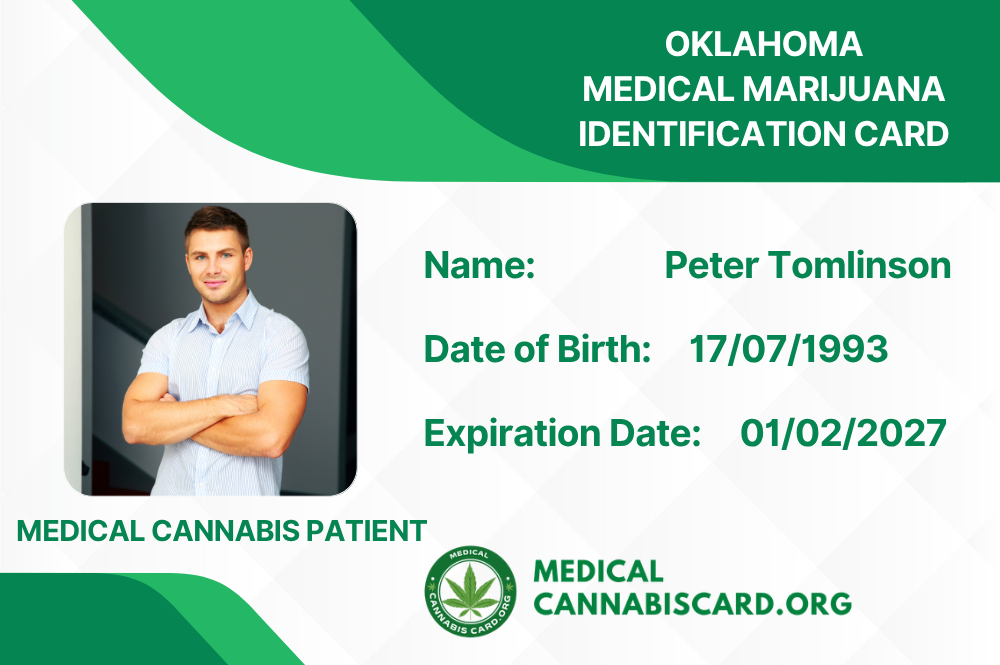
For a patient living in Oklahoma and suffering from any form of chronic illness, obtaining a medical cannabis card could be the best thing to do for oneself. With the introduction of the medical cannabis program in Oklahoma, you will have access to the plant legally in several instances, apart from other perks that are reserved exclusively for medical patients. If you want to learn more about acquiring a medical card, then continue reading.
As you drive past the sparkling waters of Lake Hefner or walk through the historic streets of the Guthrie district, you might notice something. There are dispensaries on almost every corner. This leads many residents and visitors to ask one major question: is marijuana legal in Oklahoma 2026? The answer is a bit more complex than a simple “yes” or “no.” While Oklahoma has one of the most robust medical marijuana programs in the United States, the rules for recreational use remain very different. Understanding the current legal landscape is essential for anyone living in a cozy bungalow in Mid-Del or a sprawling estate in Nichols Hills.
In 2026, Oklahoma continues to operate under a strict medical-only framework. While some neighboring states have moved toward full adult-use legalization, Oklahoma voters have remained focused on a patient-first medical system.
This means that while cannabis is widely available, you must have a valid state-issued license to possess, purchase, or consume it legally. Without that card, you could face legal trouble, even for small amounts.
To truly answer “is marijuana legal in Oklahoma 2026”, we have to look back at our recent history. In 2023, Oklahomans voted on State Question 820, which would have legalized recreational marijuana. That measure was defeated. Since then, the state legislature has focused on strengthening the medical program rather than expanding to recreational use.
As of today, recreational marijuana is still illegal in the Sooner State. If you are caught with cannabis without a medical card, you are subject to the state’s current possession laws.
For many, this comes as a surprise, especially given the sheer number of dispensaries from Broken Arrow to Lawton. However, those businesses are strictly for licensed patients. This highlights why it is so important to understand the qualifying conditions for a medical card to ensure you stay on the right side of the law.
Since medical marijuana became legal via State Question 788 in 2018, the program has grown significantly. In 2026, having a medical card is the only “shield” that makes marijuana legal for you. The Oklahoma Medical Marijuana Authority (OMMA) oversees thousands of growers, processors, and dispensaries.
When you have a medical license, you gain specific legal rights:
If you are wondering, is marijuana legal in Oklahoma 2026? for personal use, the answer is only “yes” if you are a patient. Beyond just avoiding a ticket or arrest, the medical card provides a level of safety.
All products sold in licensed Oklahoma dispensaries must undergo rigorous lab testing. This ensures that the flower or edibles you buy are free from heavy metals, pesticides, and mold, which can be a major concern during Oklahoma’s humid summers and damp spring seasons.
Furthermore, the medical card provides certain employment protections. While employers can still maintain drug-free workplace policies, especially for “safety-sensitive” jobs (like operating heavy machinery or working in the oil fields), a cardholder has more standing than someone using the plant illicitly.
The culture of cannabis in Oklahoma is deeply tied to our local landmarks and lifestyle. In the Tulsa Arts District, you’ll find dispensaries that feel like high-end boutiques. In more rural areas, like those near the Ouachita National Forest, the focus is often on high-quality, sun-grown flowers.
The weather also plays a role in our legal cannabis scene. Because Oklahoma experiences extreme temperature swings from ice storms in January to 100-degree days in August, most of our legal cannabis is grown in highly regulated, indoor, climate-controlled facilities.
This ensures that the medicine available to patients is consistent year-round. When you buy legally with your card, you are supporting local Oklahoma farmers who have invested in these expensive, storm-proof structures.
Let’s look at a real-world example. “David” is a 40-year-old construction foreman living in Norman. He suffered from chronic back pain after years of working on job sites across the state. David heard that marijuana might help, but was worried about the question: is marijuana legal in Oklahoma 2026?
David initially thought he could just buy from a friend. However, he realized that if he were pulled over near the OU campus without a card, he could lose his commercial driver’s license. David decided to do things the right way. He learned how to get an Oklahoma medical marijuana card online and met with a physician via a video call.
Now, David carries his OMMA card in his wallet. He can visit his favorite dispensary near Highway 9 with total peace of mind. For David, the $100 state fee was a small price to pay for the legal protection and the ability to choose specific “indica” strains that help him sleep after a long day of work.
It is a common myth that marijuana is “decriminalized” for everyone in Oklahoma. While some cities like Oklahoma City have reduced the fines for simple possession, it is still an offense. You can still be handcuffed. You can still have your property seized.
Without a medical card, you are also likely buying from the “black market.” These products are untested and could contain dangerous additives. In 2026, law enforcement continues to crack down on illegal grow operations that are not registered with the OMMA.
By staying within the legal medical system, you ensure that you are not inadvertently supporting illegal activity.
Looking toward the end of 2026 and into 2027, the conversation around recreational marijuana will likely continue. There are groups working to put the issue back on the ballot. However, until that happens, the medical program remains the only legal avenue.
The OMMA is also working on “seed-to-sale” tracking systems. This means the state knows exactly where every gram of medical marijuana comes from.
This high level of oversight is designed to protect you, the consumer. It ensures that the “Oklahoma Gold” you buy in a dispensary is exactly what the label says it is.
So, to settle the debate: is marijuana legal in Oklahoma 2026? Yes, but only through the medical program. Oklahoma has created a system that prioritizes health, safety, and local business.
By obtaining your medical card, you become part of a regulated community that values quality and legal integrity. Whether you are a long-time resident of the Panhandle or a newcomer to the bustling streets of Moore, following the state’s guidelines is the best way to enjoy the benefits of this plant. Stay safe, stay legal, and always keep your OMMA card current.
Some states offer “reciprocity,” meaning they recognize your Oklahoma card. However, you should always check the laws of the state you are visiting. You cannot legally transport marijuana across state lines, even if both states have legal programs.
Yes, as of 2026, hemp-derived products like Delta-8 are legal under federal and state hemp laws. However, these products are not regulated as strictly as the medical marijuana found in dispensaries.
Oklahoma medical cards are typically valid for two years. You should start the renewal process about 30 days before your card expires. You will need a new physician recommendation and will need to pay the state fee again.
No. Sharing your medicine is illegal. Your medical card only protects your possession and use. Giving marijuana to someone without a license is considered distribution and carries heavy penalties.
The Unity Bill is a set of regulations passed by the Oklahoma legislature to provide a framework for the medical marijuana industry. It covers everything from packaging and labeling to patient protections in the workplace.